

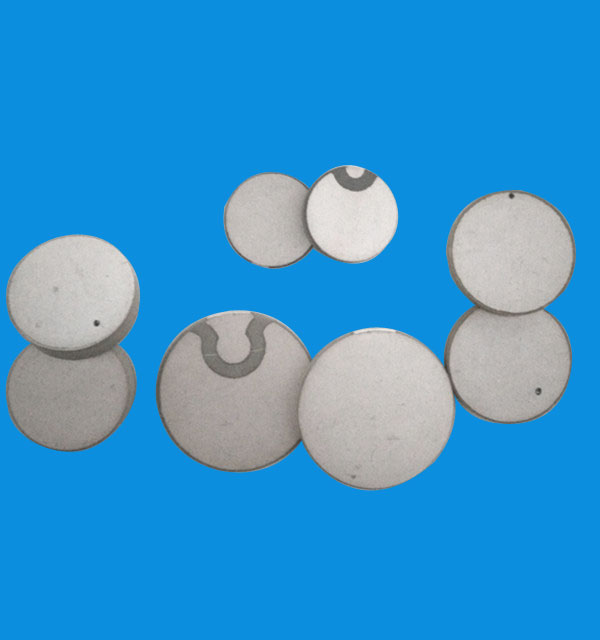
Piezoelectric Ceramics Price: What Drives Cost in 2026?
Piezoelectric ceramics price in 2026 will depend on more than powder cost or factory labor.
Buyers now face a market shaped by performance demands, tolerance control, testing depth, and supply chain stability.
That makes simple unit-price comparison less useful than it was a few years ago.
A lower quote can still lead to higher total cost if failure rates, delayed delivery, or inconsistent batches create downstream problems.
This guide explains what is really behind piezoelectric ceramics price, where cost pressure is rising, and how to judge long-term value.
Why Piezoelectric Ceramics Price Is Changing in 2026
The first driver is material quality.
PZT formulations with tighter electrical consistency cost more because raw materials must be cleaner and process control must be stricter.
The second driver is application complexity.
Parts for medical, ultrasonic welding, sonar, flow meters, and precision sensing rarely share the same pricing logic.
The third driver is production yield.
As tolerances get tighter, more units fail during machining, polarization, or final inspection.
That scrap rate directly changes piezoelectric ceramics price, even when base materials stay stable.
Another clear signal is supply security.
Factories holding steady inventory, mature equipment, and consistent testing systems often quote higher, but they reduce shortage risk.
The Main Cost Factors Behind Supplier Quotes
1. Material Grade and Composition
Different piezo formulations deliver different dielectric, mechanical, and thermal behavior.
High-power ultrasonic applications usually require stronger durability and more stable electromechanical performance.
That pushes piezoelectric ceramics price above basic sensing-grade materials.
2. Dimensions and Machining Precision
Small holes, thin walls, complex rings, and custom shapes raise machining time and inspection requirements.
Precision thickness control is especially important in frequency-sensitive applications.
When tolerances narrow, piezoelectric ceramics price usually rises fast.
3. Electrical Performance Requirements
Suppliers charge more when customers require tight values for capacitance, resonance frequency, coupling factor, or aging stability.
These are not paperwork details.
They affect how many parts need sorting, matching, or rejection before shipment.
4. Order Volume and Production Scheduling
Volume still matters.
Larger orders spread setup costs across more units and improve raw material planning.
But urgent small batches usually carry a premium, especially during peak production periods.
5. Testing, Packaging, and Documentation
Extra tests, traceability records, and export-ready packaging all affect final pricing.
For regulated or mission-critical uses, these items are necessary, not optional.
How Application Requirements Change Price Expectations
Not every buyer should target the lowest piezoelectric ceramics price.
The right target depends on the cost of failure in the final device.
- For consumer devices, cost pressure is usually highest, and moderate tolerance variation may be acceptable.
- For industrial ultrasonic systems, heat resistance and long operating life become more important than the cheapest quote.
- For medical or precision sensing applications, reliability, repeatability, and certification support often justify higher pricing.
This is where many cost comparisons go wrong.
A part that looks expensive at purchase can be cheaper over a full production cycle.
In practical sourcing work, stable performance reduces retesting, field returns, and replacement labor.
That broader view gives a more useful picture of piezoelectric ceramics price.
What to Check Before Comparing Quotes
Before requesting prices, define the actual need clearly.
That sounds obvious, but many quote gaps come from incomplete specifications.
- Confirm material type, dimensions, frequency range, and performance targets.
- State acceptable tolerances instead of asking for the tightest possible values by default.
- Clarify annual demand, trial order size, and delivery schedule.
- Ask which tests are included in the quoted piezoelectric ceramics price.
- Check whether tooling, sampling, or custom packaging costs are separate.
This step helps remove false price differences.
It also shows which suppliers understand the application rather than simply sending a fast quote.
Supplier Reliability Matters More Than the Lowest Number
In 2026, supply continuity is part of pricing logic.
A supplier with mature production and technical depth can often protect buyers from hidden cost swings.
Weifang Jude Electronic Co. Ltd supplies piezoelectric ceramics for sensing, ultrasonic, power transducer, and measurement applications.
Its products have been used in high-frequency components, ultrasonic welding, washing, punching, fault detection, flow meters, and underwater sound systems.
That range matters because broad application experience usually improves material selection and process consistency.
For projects with specialized performance needs, reviewing a product such as Piezoelectric ceramic transducer for medical treatment PZT Ceramics Manufacturer can help benchmark expected quality and specification depth.
The point is not to pay more automatically.
It is to understand whether the quoted piezoelectric ceramics price includes dependable execution.
A Simple Framework for Evaluating Total Cost
When comparing suppliers, use total cost instead of unit cost alone.
This framework makes piezoelectric ceramics price easier to judge in real business conditions.
It also creates a fairer comparison between technically different offers.
How to Improve Buying Results in 2026
A few practical actions can improve price control without sacrificing performance.
- Standardize specifications where possible to reduce custom processing costs.
- Share realistic annual forecasts so suppliers can plan material and capacity better.
- Test samples under actual operating conditions, not only lab conditions.
- Review supplier response speed during sampling, because it often predicts mass-production support quality.
- Track rejection and replacement data to see whether current piezoelectric ceramics price reflects true value.
From recent market movement, the best results usually come from clearer specs and stronger supplier alignment.
That is more effective than chasing the lowest piece price every quarter.
Final Takeaway
Piezoelectric ceramics price in 2026 will be driven by performance grade, machining difficulty, testing scope, order planning, and supplier reliability.
The most useful question is not simply, “Who is cheapest?”
It is, “Which supplier can deliver the required performance with stable quality and predictable cost?”
If you evaluate piezoelectric ceramics price through that lens, sourcing decisions become more accurate and more sustainable.
Use the next quotation round to compare specification fit, quality controls, and long-term operating value together.

Thank you very much for writing to us. Please leave your message and contact information, we will reply to you within 24 hours.