Views: 60 Author: Site Editor Publish Time: 2025-12-30 Origin: Site
You want to measure how a piezo disk element works in real situations. Accurate performance data helps you see the true impact of your piezo projects. A good test can show if the disk will last and work well. Careful measurements make your results better.
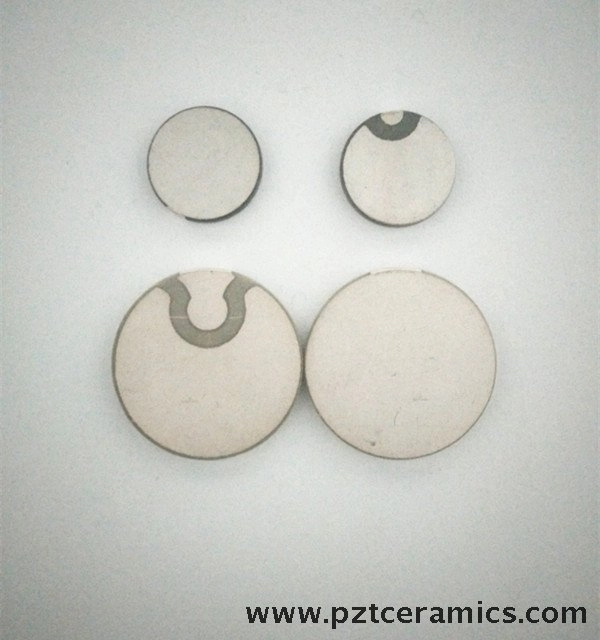
You need to check sensitivity to see how the piezo disk reacts to force. Sensitivity means how much voltage the pzt disc makes when you press it. You can test this with a DC voltage test. Connect the pzt disc to a voltmeter. Push on it gently and look at the reading. If the sensitivity is high, the piezo sensor can notice small changes. This is helpful for many sensor projects. The output voltage also tells you how much energy the piezo disk can make. If you want to use the pzt for energy harvesting, you need a high output.
You should test the frequency response to see how the pzt disc acts with different vibration speeds. Use an impedance analyzer for this test. Try different frequencies and write down what happens. The resonance point is where the pzt gives the biggest output. This is important for jobs that need to sense or make vibration. A good frequency response means your piezoelectric materials work in many ways. The resonance also changes how much energy you get from the piezo.
Strain shows how much the pzt changes shape when you push it. You can measure this with a sensor that checks movement. Hysteresis tells you if the pzt goes back to normal after you stop pushing. Low hysteresis means it works better and wastes less energy. Dielectric strength shows how much voltage the piezo can take before it breaks. You can test this with a high-voltage test. Strong piezoelectric materials last longer and give more energy. These tests help you learn how your piezo disk element works.
You need special tools to test a pzt disc. Start with an impedance analyzer. This tool checks how the pzt reacts to different frequencies. You also need a DC voltage source and a voltmeter. These tools help you measure the output and sensitivity of the piezo disk element. To check strain, use a displacement sensor. For dielectric strength, use a high-voltage tester.
Here is a simple table to help you pick your tools:
Test Type | Equipment Needed |
Sensitivity/Output | DC voltage source, voltmeter |
Frequency Response | Impedance analyzer |
Strain | Displacement sensor |
Dielectric Strength | High-voltage tester |
Follow these steps to test your pzt disc:
Check Sensitivity and Output
Connect the pzt disc to a voltmeter.
Press the disc gently. Watch the voltage number.
Write down the output. This shows how sensitive the piezo is.
Test Frequency Response
Use the impedance analyzer.
Try different frequencies.
Find the resonance point. This is where the output is highest.
Measure Strain and Hysteresis
Attach a displacement sensor to the pzt.
Push on the pzt and see how much it changes shape.
Let go and see if the pzt goes back to normal.
Check Dielectric Strength
Use a high-voltage tester.
Turn up the voltage slowly.
Stop if you see sparks or the pzt stops working. Write down the highest safe voltage.
Sometimes, your pzt disc might not work right. Here are some common problems and ways to fix them:
Low Output or No Signal
Check all wires. Loose wires can stop the signal.
Make sure the pzt disc is not cracked. Cracks make it work worse.
Strange Readings
Try another sensor to compare.
Keep other electronics away to lower noise.
False Positives
Use a shielded cable to block outside signals.
Test in a quiet room to stop extra vibration.
For advanced tests, you can use finite element modeling. This computer tool shows how the pzt reacts to different forces and energy. It can find weak spots in the piezo disk element before you use it for real.
You need to match your test results to your project. If you want a piezo sensor for small signals, look for high sensitivity and low hysteresis. For energy harvesting, pick a pzt disc with high output and strong dielectric strength. If your project needs to sense vibration, make sure the resonance matches your target frequency.
Here is a quick guide:
Application | Key Parameter | What to Look For |
Impact sensor | Sensitivity, output | High voltage at small force |
Energy harvesting | Output, dielectric strength | High energy, strong pzt |
Vibration detection | Frequency response | Resonance at target frequency |
Long life sensor | Hysteresis, strain | Low hysteresis, returns to shape |
You can see how your choices matter in real projects. Strong piezoelectric materials give more energy and last longer. Careful testing helps you pick the best pzt for your needs. This way, your piezo disk element will work well and stay strong.
You can check each pzt disk to see how it works. Test for sensitivity, output, strain, and dielectric strength. This shows how much energy each pzt can make. Follow these steps to get good results. Pick the right pzt for your sensor project. Try advanced tests to get more energy, better vibration sensing, and longer sensor life.
Thorough testing and careful interpretation of performance parameters are essential for ensuring that a piezo disk element delivers reliable results in real-world applications. By evaluating sensitivity, voltage output, frequency response, strain behavior, hysteresis, and dielectric strength, engineers can clearly understand how a PZT disk will perform under different mechanical and electrical conditions.
These measurements not only improve design accuracy but also help extend service life, enhance energy efficiency, and reduce the risk of failure in practical use.
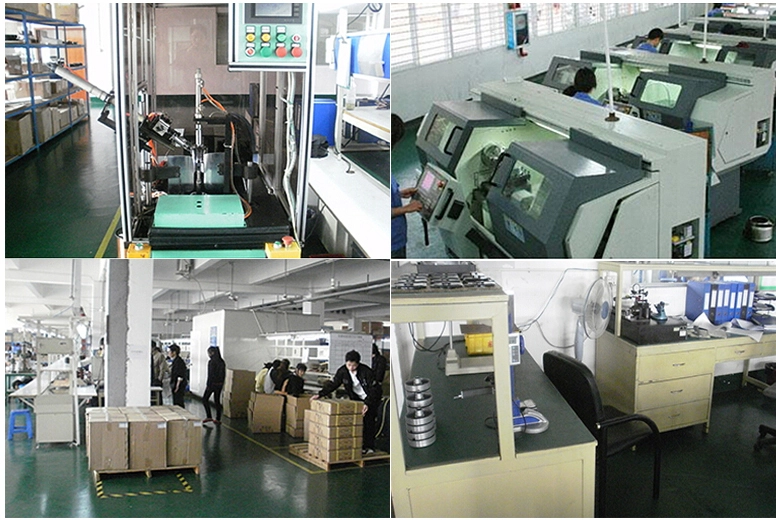
As a professional piezo ceramic disk manufacturer, Weifang Jude is committed to providing high-quality piezoelectric materials with stable performance and consistent characteristics. Our piezo disk elements are engineered to support precise sensing, vibration control, and energy harvesting applications across a wide range of industries.
By combining reliable manufacturing with rigorous performance validation, Weifang Jude helps customers select the right PZT solutions to achieve better accuracy, higher output, and long-term durability in their projects.
 English